Español
 Português
 Francés
 العربية
 Việt
Việt
 Deutsch
 日本語
日本語
 Türk
Türk
 پرسیا
پرسیا
The eight functions and five effects of mineral source fulvic acid
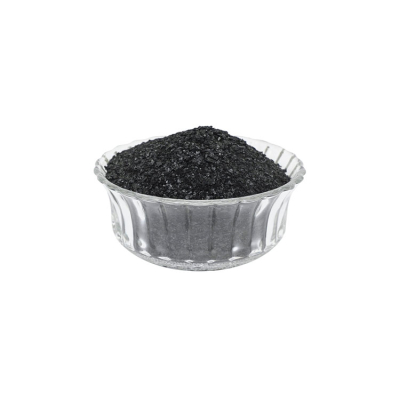
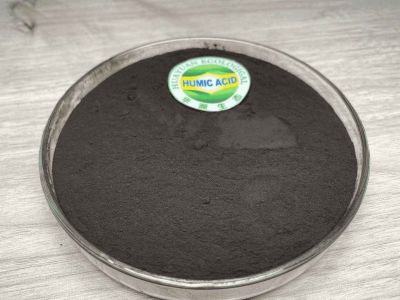
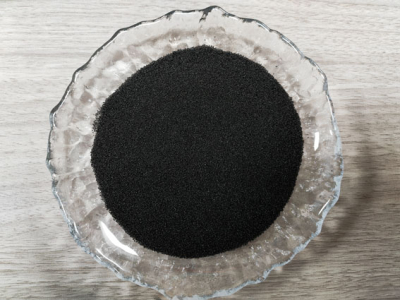
Mineral-source potassium humate is a black powder that dissolves in water. It is a plant growth regulator that promotes plant growth, plays an important role in drought resistance, enhances plant resilience, increases yield, and improves quality. It is primarily used in wheat, corn, sweet potatoes, millet, rice, cotton, peanuts, rapeseed, tobacco, sericulture, fruits, and vegetables.

Eight Functions
1. Water Retention
Mineral-source potassium humate is a colloidal organic substance that loosens the soil, absorbs large amounts of water, promotes ventilation and moisture retention, maintains moisture content, and prevents drought. It creates favorable water, air, and heat conditions in the soil, ideal for seed germination and seedling growth.
2. Improves Saline-Alkali Soil
Mineral-source potassium humate has a small molecular weight and high activity. It absorbs harmful cations in the soil, thereby reducing salt concentration and mitigating the damage to seeds and seedlings. It improves saline-alkali soil.
3. Drought and Cold Resistance
(1) Spraying mineral-source potassium humate on plant leaves can close stomata and reduce transpiration.
(2) Mineral potassium humate has a dark color, which helps absorb solar energy. When decomposed by microorganisms, mineral potassium humate releases heat, raising ground temperature and thus providing cold resistance.
4.Pest and disease resistance
Mineral potassium humate can increase enzyme activity in plants, enhancing their resistance.
5.Heavy metal pollution prevention
Mineral potassium humate participates in ion exchange reactions in the soil, absorbing and fixing heavy metal ions in the soil, preventing them from entering the biological cycle.
6. Improved fertilizer efficiency
(1) Nitrogen fixation: When nitrogen is applied to the soil, it easily evaporates into the atmosphere or is lost to rivers through soil erosion. Mineral potassium humate absorbs nitrogen from the soil, reducing its volatilization and loss, thereby increasing its utilization rate.
(2) Phosphorus solubilization: When applied to the soil, phosphorus is easily fixed by the soil. Mineral potassium humate can chelate phosphorus, releasing it from the soil and making it available for plant absorption, thereby improving its utilization rate.
(3) Potassium Activation: Most potassium applied to the soil exists as potassium salts and cannot be directly absorbed by crops. Mineral potassium humate can convert insoluble potassium into soluble potassium through ion exchange, increasing the available potassium in the soil and improving potassium utilization.
(4) Micronutrient Fertilizer: Mineral potassium humate can chelate with insoluble trace elements to form humic acid trace element chelates that are highly soluble and absorbable by crops, thus facilitating trace element absorption by roots and leaves.
7.Promoting Crop Growth and Development
(1) Mineral potassium humate stimulates root growth, ultimately significantly enhancing the crop's ability to absorb water and nutrients.
(2) The stimulating effect of mineral potassium humate promotes vigorous growth of the plant's aboveground vegetative parts, as evidenced by plant height, stem thickness, and leaf thickness.
(3) Mineral potassium humate has a positive effect on tillering and reduces the rate of empty and barren seeds, increasing thousand-grain weight and yield.
8. Regulating Soil pH
Mineral potassium fulvate has many functional groups and can bind to both acids and bases, allowing it to adjust soil pH according to crop needs.

Five Major Benefits
1. Promotes root development and improves germination rates.
Potassium fulvate is rich in various nutrients. New roots appear within 3-7 days of application, while also significantly increasing secondary roots. This rapidly enhances the plant's ability to absorb nutrients and water, promotes cell division, and accelerates crop growth.
2. Improves fertilizer utilization.
Potassium fulvate provides the carbon and nitrogen sources necessary for beneficial microbial activity in the soil, thereby promoting their proliferation. It also dissolves phosphorus and potassium and fixes nitrogen, significantly improving nitrogen, phosphorus, and potassium utilization.
3. Improves plant resistance to drought, cold, and disease.
Potassium fulvate promotes soil aggregate formation, enhances soil nutrient and water retention, and strengthens plant resistance to drought. Potassium fulvate enhances plant photosynthesis and increases organic matter in plant cell sap, thereby improving crop resistance to cold. Plants develop well-developed root systems, significantly enhancing their ability to absorb nutrients and water, resulting in strong plants and enhanced disease resistance.
4. Increases yield and improves quality.
Potassium fulvate is fully water-soluble, easily absorbed, and highly permeable, making it over 10 times more effective than ordinary humic acid. The active substances in fulvate increase the absorption and utilization rate of nitrogen, phosphorus, and potassium, significantly enhancing plant nutrition, increasing yield, and improving crop quality.
5. Improves soil quality and resists repeated cropping.
Fulvic acid combines with calcium ions in the soil to form a stable aggregate structure, which regulates the soil's water, fertilizer, air, and heat conditions. Beneficial bacteria thrive in the soil, while harmful bacteria are controlled. This improves crop resistance and significantly repairs soil compaction and salinization caused by long-term overfertilization.