Español
 Português
 Francés
 العربية
 Việt
Việt
 Deutsch
 日本語
日本語
 Türk
Türk
 پرسیا
پرسیا
The promoting effect of fulvic acid on plant growth and its application in agricultural production
Ⅰ The effect of fulvic acid on plant growth
1. Fulvic acid promotes plant root growth
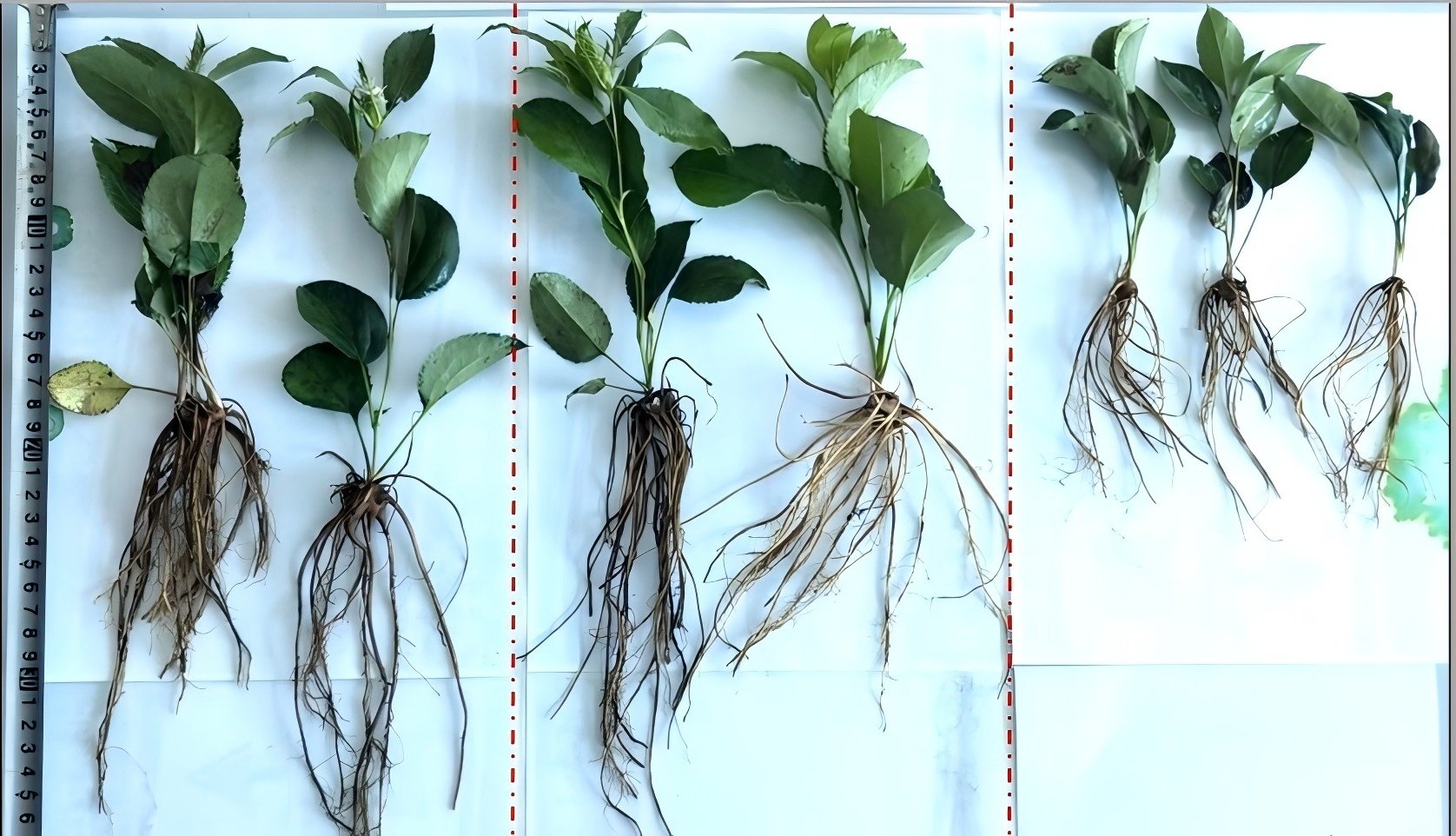
Fulvic acid can stimulate cell division, root growth, nutrient absorption, improve the ability of plants to resist adversity, thereby promoting plant root development and increasing crop yields. Studies have shown that after applying fulvic acid to beets, wheat, barley, etc., the air-dried weight of plant taproots increased significantly. The results of scanning the plant root system showed that within a low concentration range, with the increase of fulvic acid concentration, the plant root system grew, the surface area increased, the root volume increased, and the root tip and root branching increased. In addition, fulvic acid can also promote lateral root growth. The low molecular weight components of fulvic acid have auxin-like activity and have the effect of plant growth regulators, which can stimulate the growth and development of plant roots; at the same time, fulvic acid can induce ATPase in the plasma membrane, resulting in a wider electrochemical gradient, which accelerates the root system's absorption rate of nutrients.
2. The effect of fulvic acid on plant photosynthesis
Studies have found that spraying fulvic acid on leaves during the beet seedling stage can increase the chlorophyll content and promote the photosynthetic efficiency of seedling leaves, thereby improving plant height, leaf area and other growth parameters. In addition, spraying tomato seedlings with different concentrations of fulvic acid can reduce the decay rate of leaf photosynthetic rate and extend the photosynthetic function period of tomato leaves. Further studies have shown that after spraying fulvic acid on the leaves, tomato leaves can maintain a high photosynthetic rate throughout the day, which is also the main reason why the photosynthetic rate of plant leaves after spraying fulvic acid is higher than that of the control. At present, fulvic acid has been proven to increase the chlorophyll content and photosynthetic rate of leaves of crops such as lettuce, wheat, apples and strawberries.
3. Fulvic acid improves plant stress resistance
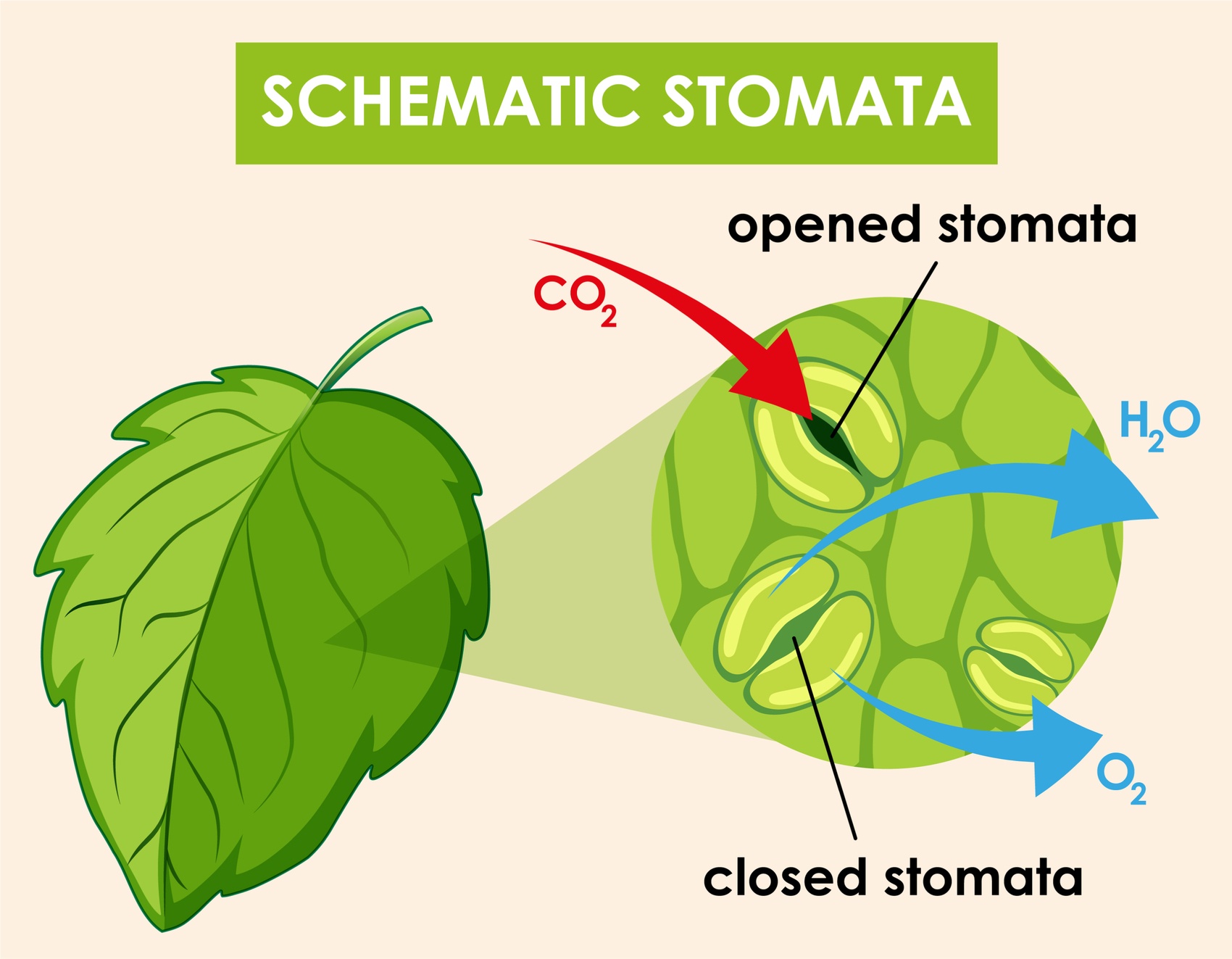
Applying fulvic acid under conditions of drought, high salt, high oxidative stress and other adverse environmental factors can significantly increase the dry weight of plant roots and stems, increase the content of nitrogen, phosphorus and chlorophyll in cells, and thus improve the stress resistance of plants. Under drought stress, fulvic acid can reduce the degree of stomatal opening and closing of plant leaves, reduce water evaporation, promote root development, and improve the water absorption capacity of crops, thereby playing a drought resistance role. Fulvic acid can improve the cold resistance of plants. It can increase the activity of protective enzymes in plants under low temperature environments, increase the content of osmotic regulating substances such as proline and K+ in leaves, maintain normal cell metabolic functions, and thus improve the resistance of plants to extreme environments such as frost and low temperature. In addition, fulvic acid also significantly improves plant resistance to salt stress by increasing the nitrate content of plants and reducing soil conductivity.

Ⅱ The role of fulvic acid in improving soil
1. Fulvic acid enhances soil fertilizer efficiency
Fulvic acid can be used as a slow-release fertilizer to activate soil, chelate nutrients, and promote plant growth. Mixing fulvic acid with traditional chemical fertilizers can also play its controlled release function, so that nitrogen, phosphorus, potassium and other elements in fertilizers are slowly released, reducing nutrient waste, saving fertilizer usage, and improving fertilizer efficiency. Fulvic acid combined with nitrogen fertilizer can significantly improve the utilization rate of nitrogen fertilizer by plants. The reason is that fulvic acid improves the root vitality of plants and increases root biomass, thereby improving the utilization efficiency of nitrogen fertilizer by plants. Studies have shown that the combination of fulvic acid and nitrogen fertilizer can significantly increase corn yield. After applying fulvic acid, corn can increase yield by 12.6% compared with the control group (nitrogen fertilizer alone). The application of fulvic acid significantly improves the absorption of urea by wheat. The effective nitrogen in the experimental group increased by 113%, which increased the nitrogen supply intensity in the soil at all stages of wheat growth, especially in the middle and late stages of growth, and met the nitrogen demand of wheat. Fulvic acid can also improve the utilization rate of phosphate fertilizer. The application of fulvic acid in combination with phosphate fertilizer can promote the growth of plants such as tomatoes and wheat, promote the formation of crop yield and quality, and achieve the purpose of reducing the application of phosphate fertilizer and increasing its efficiency. The application of fulvic acid in combination with phosphate fertilizer can significantly increase the effective phosphorus content in the soil during each growth period of plants, increase the intensity of soil phosphorus supply during the critical period of plant phosphorus and the period of maximum efficiency of phosphate fertilizer, and meet the nutrient needs of plants during the critical growth period. In addition, the combination of fulvic acid and phosphate fertilizer can restore the production capacity of weakly alkaline soil and improve the utilization efficiency of phosphate fertilizer.
2. Fulvic acid can improve the physical and chemical properties of soil
Fulvic acid can effectively improve soil structure. The hydroxyl, phenolic and carboxyl groups in fulvic acid can combine with other substances in the soil to form fulvic acid salts. Fulvic acid salts are soluble in water under all pH conditions, combine with soil to form soil aggregates, play a buffering role, adjust the pH of the soil, and can effectively improve saline-alkali soil. In addition, fulvic acid can increase soil quality and compact the soil, so that water in the soil can penetrate faster. Fulvic acid can also serve as a carbon source and energy source for microorganisms, significantly increase soil microbial biomass and microbial activity, thereby increasing the organic matter content in the soil, forming plant nutrients, and providing good conditions for plant development.
3. Fulvic acid can repair soil heavy metal pollution
The chemical structure of fulvic acid allows it to complex with heavy metal ions, thereby enhancing the soil's adsorption of heavy metals, reducing the mobility and extractability of heavy metal ions, and thus reducing the impact of heavy metals on the soil. In addition, the application of fulvic acid can affect plant development, thereby reducing the absorption of heavy metals by plants and reducing the toxicity of heavy metal ions to plants. Fulvic acid contains a rich variety of active functional groups in large quantities, so it has a large cation exchange capacity and can reduce the stress of heavy metal ions such as Hg2+, Cd2+, and Pb2+ in the soil through adsorption and complexation. This mechanism is mainly achieved through the reaction of acidic functional groups with multivalent cations on the surface of clay particles and the formation of humus-metal-clay complexes. These ions can be combined into compounds through the strong chemical bonds of fulvic acid, thereby reducing the solubility and harm of heavy metal ions. The effect of fulvic acid on the dose of selenite at different stages of wheat seed growth proves that the application of fulvic acid can effectively reduce the toxicity of selenium to plants. In addition, fulvic acid fixes highly toxic cadmium in the soil, preventing it from entering the food chain with plants and affecting human health. On the other hand, fulvic acid also has a buffering and controlling effect on heavy metal ions, thereby coordinating the concentration relationship of heavy metal ions in the soil and plants. Under high ion concentrations, fulvic acid can reduce the absorption of lead by plants, thereby reducing the toxicity of lead to plants.

Ⅲ Fulvic acid promotes soil microorganisms and inhibits pathogenic microorganisms
1. Fulvic acid can improve the nutrition of rhizosphere microorganisms
The active substances in fulvic acid are not only related to plant growth, but also can interact with rhizosphere microorganisms in the soil, providing carbon sources and energy for microorganisms. Fulvic acid can provide a nutrient source and a suitable living environment for microorganisms, effectively increase the number of bacteria, fungi, and actinomycetes in the soil, help microorganisms establish populations, and promote microbial-related metabolic activities. In addition, when the active groups of fulvic acid act on the surface of microbial cells, they can enhance the cell's uptake of nutrients and trace elements, and regulate related enzyme activities and metabolic activities.
2. Inhibitory effect of fulvic acid on plant pathogens
Specific components in fulvic acid, such as quinones and phenolic compounds, can directly produce toxic effects on pathogens and have antibacterial/fungicidal functions. A series of studies have shown that the application of fulvic acid can significantly reduce the negative effects of some fungal diseases on plants. The application of fulvic acid alone or in combination with calcium on tomato leaves can significantly reduce the incidence of tomato early blight. At the same time, fulvic acid can also inhibit the pathogens of tomato rot (Fusarium oxysporum and Rhizoctonia solani). After the application of fulvic acid, the incidence of tomato plants in the treatment group was less than 5%, which was significantly lower than the incidence of the control group (more than 25%). In addition, fulvic acid can also significantly inhibit the number of Fusarium in barley. Fulvic acid also has a significant resistance to plant bacterial diseases.
3. Fulvic acid promotes plant disease resistance
Fulvic acid can increase the activity of multiple metabolic processes in plant cells, thereby improving the disease resistance of plants and preventing a variety of plant diseases. It has been proven that fulvic acid can increase the activity of polyphenol oxidase and peroxidase in plant cells, improve the metabolic process of plants, and thus improve the disease resistance of plants. Studies have shown that fulvic acid enhances plant resistance to pathogenic bacteria by increasing the activity of antioxidant enzyme systems such as soybean peroxidase, polyoxygenase, and phenylalanine lyase. The above effects may be achieved by increasing the synthesis of proline, soluble sugar, and glutathione in plants under the action of fulvic acid, thereby stimulating the activity of protective enzymes in the antioxidant enzyme system.
Ⅳ Application of fulvic acid in field agricultural production
From the perspective of actual field production, fulvic acid, as a plant stimulant, has a promoting effect on the yield and quality of plant fruits. In field experiments, it was found that the application of fulvic acid can enhance the tillering ability of winter wheat, increase the number of ears per mu, the number of grains per ear, and the thousand-grain weight of winter wheat, thereby increasing the yield of winter wheat. It was also found that fulvic acid can promote the absorption of calcium, iron, and copper elements in the tubers of Ophiopogon japonicus, making its
tuberous root mass increase significantly, with a maximum increase of 34.19%; it promotes the increase in the accumulation of above-ground and underground materials of Ophiopogon japonicus plants, and achieves an increase in tuberous root yield, with a maximum increase of 23.59%, of which the proportion of first-class medicinal materials increased by 14.16%. In addition to yield, the application of fulvic acid has significantly improved the quality of crops. After applying fulvic acid in the main walnut producing area of Aksu, Xinjiang, the weight of green-skinned walnuts increased by 17.01% compared with the control group, the weight of dried walnuts increased by 11.77% compared with the control group, the rate of white kernels increased by 6.35% and 8.97% compared with the control group, while the rate of yellow kernels, yellow-brown kernels, and empty shells decreased by 52.38%, 30.00%, and 51.00% respectively. Field experiments on eggplants showed that compared with conventional fertilization, the application of fulvic acid can increase the plant height and stem thickness of eggplants, promote the growth and development of eggplants, improve the quality of fruits, and significantly increase the content of protein, starch, and fat in eggplants. In terms of the quality of medicinal materials, after applying fulvic acid, the extract of medicinal materials was higher than that of the control group, while the total polysaccharide, total flavonoids, and total saponin active ingredients did not decrease significantly. Compared with the control group, the consistency and stability were better, and the quality of medicinal materials would not be reduced. Fulvic acid can also significantly improve the taste of fruits. Bao Ri et al. applied fulvic acid to bayberry trees and found that after fulvic acid was applied to the base of greenhouse bayberry, the weight of single fruit increased, the soluble solids, total sugar, vitamin C content, total flavonoids and anthocyanin content increased, the total acid content decreased, the sugar-acid ratio increased, and the quality and taste of bayberry fruit were improved.